Get Grease Trap Installation
Local contractors offer grease trap installation services to prevent kitchen and restaurant drainage issues, ensuring proper waste management for commercial and industrial properties.
If you own a commercial or residential property that relies on proper wastewater management, considering professional grease trap installation is an important step. Properly installed grease traps help prevent plumbing clogs, reduce odors, and ensure compliance with local regulations. Property owners in the area often explore this service to maintain efficient operations, protect their infrastructure, and avoid costly repairs down the line. Whether you're upgrading existing systems or installing new ones, understanding your options can help you make informed decisions for your property’s needs.
Exploring local contractors who specialize in grease trap installation can provide valuable insights into the best solutions for your property. Comparing different service providers allows property owners to evaluate the scope of work, experience, and expertise available in the area. Keeping informed about the options ensures that your project aligns with your property's requirements and long-term maintenance goals. Continue reading to discover how experienced local service providers can assist with your grease trap installation needs.
- Grease Trap Installation - when a commercial kitchen or food service establishment needs to comply with local wastewater regulations.
- Grease Trap Replacement - if an existing grease trap is outdated, damaged, or no longer meets capacity requirements.
- Grease Trap Maintenance - to ensure proper functioning and prevent foul odors or blockages in plumbing systems.
- Grease Trap Inspection - for routine checks to identify potential issues before they cause costly backups or violations.
- Grease Trap Upgrades - when upgrading facilities to handle increased volume or improve efficiency.
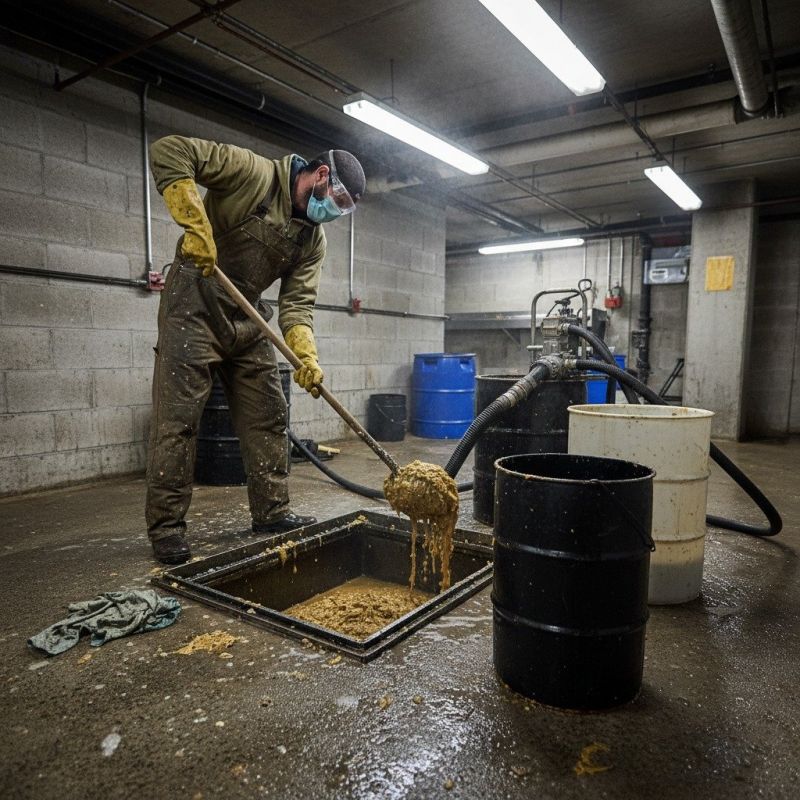
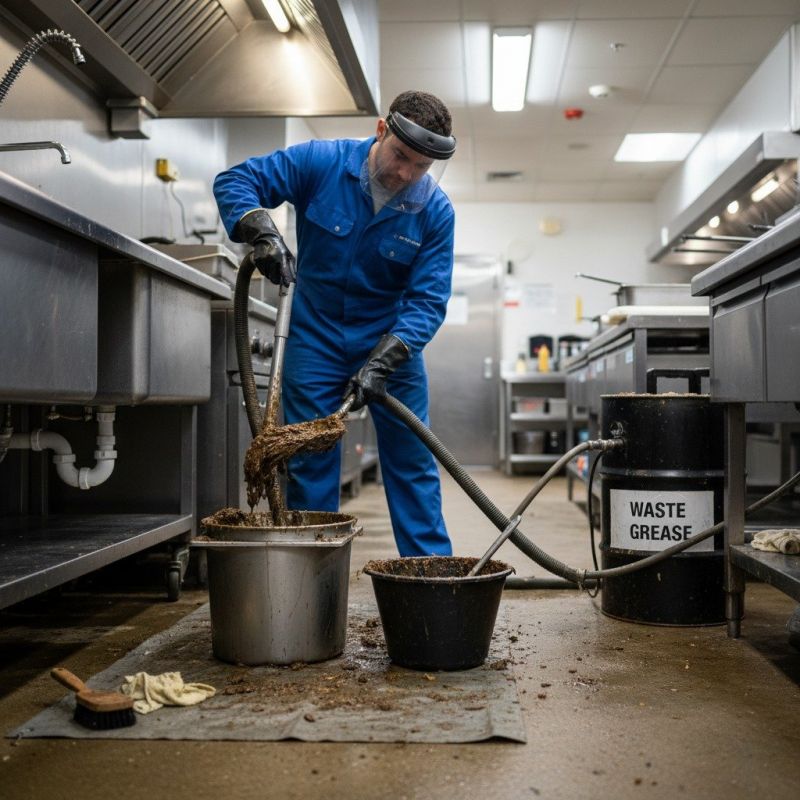
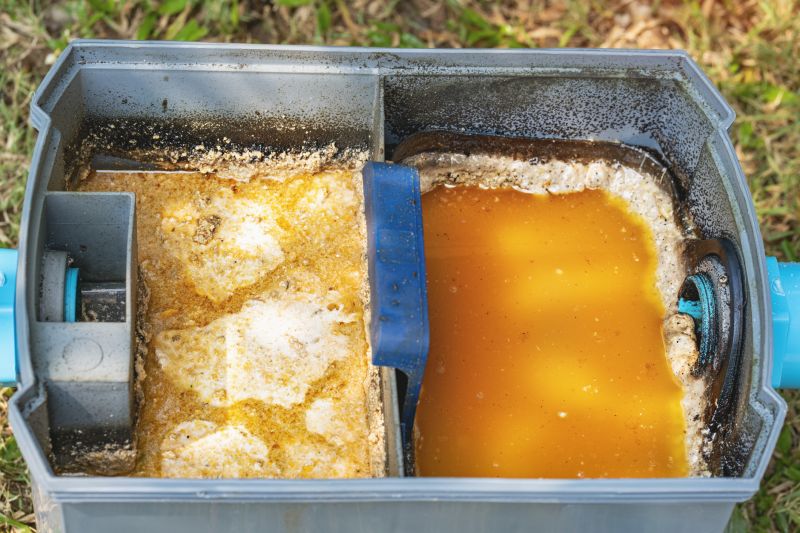
Grease trap installation services involve the setup of specialized underground tanks designed to intercept and capture fats, oils, and greases from kitchen wastewater before they enter the plumbing system. This process typically includes assessing the property’s plumbing layout, selecting an appropriately sized trap, and properly installing the unit to ensure it functions effectively. Proper installation is essential for preventing grease buildup in pipes, which can lead to clogs, backups, and costly plumbing repairs over time. Experienced service providers understand the importance of correct placement and secure connections to ensure the grease trap operates efficiently and complies with local regulations.
Grease traps help solve common plumbing problems caused by the accumulation of fats, oils, and greases in drain lines. Without a properly installed trap, these substances can solidify and cling to the interior walls of pipes, leading to slow drains, foul odors, and even complete blockages. Over time, this buildup can cause sewage backups that pose health hazards and require extensive cleanup. Installing a grease trap provides a dedicated point to capture and contain these substances, reducing the risk of plumbing emergencies and improving the overall sanitation of the property’s wastewater system.
Properties that typically use grease trap installation services include restaurants, cafes, catering kitchens, and other commercial food service establishments. However, some larger residential complexes, apartment buildings, and institutions with commercial kitchens may also require grease traps to meet health and safety standards. These properties often generate significant amounts of kitchen wastewater that contains fats and oils, making a grease trap a necessary component of their plumbing infrastructure. Local contractors can evaluate the specific needs of each property and recommend the right size and type of grease trap to ensure effective performance.
For homeowners, grease trap installation may be relevant if a property includes a large, professionally equipped kitchen or commercial-grade appliances that produce substantial grease-laden wastewater. While most residential properties do not require a grease trap, those with frequent large-scale cooking or home-based food businesses might benefit from professional installation. Local service providers can help determine whether a grease trap is appropriate, and handle the installation process to ensure the plumbing system remains free-flowing and compliant with local codes. Contacting experienced contractors can provide peace of mind that the system is properly set up to prevent future plumbing issues.
The overview below groups typical Grease Trap Installation projects into broad ranges so you can see how smaller, mid-sized, and larger jobs often compare in your area.
In many markets, a large share of routine jobs stays in the lower and middle ranges, while only a smaller percentage of projects moves into the highest bands when the work is more complex or site conditions are harder than average.
Basic Repairs - Small grease trap repairs or cleanings typically cost between $250 and $600. Many routine maintenance jobs fall within this range, depending on the size and complexity of the trap.
Mid-Range Installations - Installing a new grease trap or upgrading an existing one usually costs between $1,000 and $3,000. Most projects in this category are standard-sized installations for commercial kitchens or restaurants.
Full Replacement - Replacing an entire grease trap can range from $3,500 to $6,000 or more. Larger, more complex projects or custom installations tend to push prices into this higher tier.
Complex or Custom Projects - Highly specialized or extensive grease trap systems may cost $6,000 and up, with fewer projects falling into this highest price range due to their unique requirements.
Actual totals will depend on details like access to the work area, the scope of the project, and the materials selected, so use these as general starting points rather than exact figures.
Septic Tank Installation - professionals skilled in underground tank setup and plumbing planning, similar to grease trap systems.
Commercial Plumbing Projects - contractors experienced in designing and installing complex drainage and waste management systems.
Drainage System Installation - service providers who install and repair large-scale drainage networks for commercial and industrial sites.
Wastewater Treatment System Setup - experts familiar with planning and implementing systems that handle and process waste liquids.
Kitchen Plumbing Renovations - specialists who upgrade and install plumbing fixtures, including grease interceptors and related components.
Industrial Waste Management Services - providers capable of managing large-scale waste systems that require precise planning and installation skills.
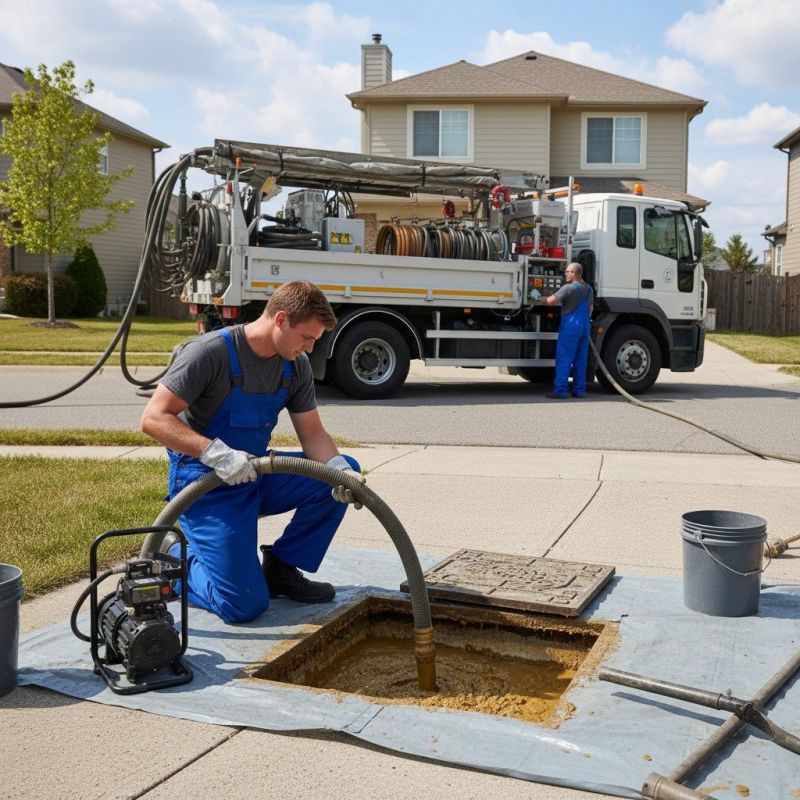
When comparing service providers for grease trap installation, it's important to consider their experience with similar projects. Look for local contractors who have a proven track record of handling grease trap installations in settings comparable to your property. An experienced professional will be familiar with common challenges and best practices, helping to ensure the work is completed efficiently and correctly. Gathering information about their past projects or asking for examples of work can provide insight into their expertise and whether they are well-versed in the specific requirements of your installation.
Clear written expectations are essential to avoid misunderstandings and ensure the project meets your needs. When evaluating potential providers, seek those who can offer detailed descriptions of their services, including the scope of work, materials used, and any relevant processes. Having a transparent outline helps you understand what will be included and sets a foundation for mutual understanding. It’s also beneficial to request a written estimate or proposal that clearly states what is covered, so there are no surprises once the project begins.
Good communication and reputable references are key indicators of a reliable service provider. Local contractors who are responsive, willing to answer questions, and provide references from previous clients demonstrate professionalism and accountability. Contacting references can give you a sense of how the contractor performs on similar projects, their level of reliability, and the quality of their work. Remember, this site introduces homeowners to local options for grease trap installation, not that it performs the work itself, so taking the time to verify these qualities can help ensure a smooth and successful project.
Property owners use Grease Trap Installation services for practical projects around their homes and businesses. This guide focuses on everyday jobs and straightforward project options.
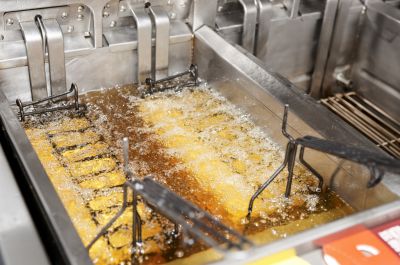
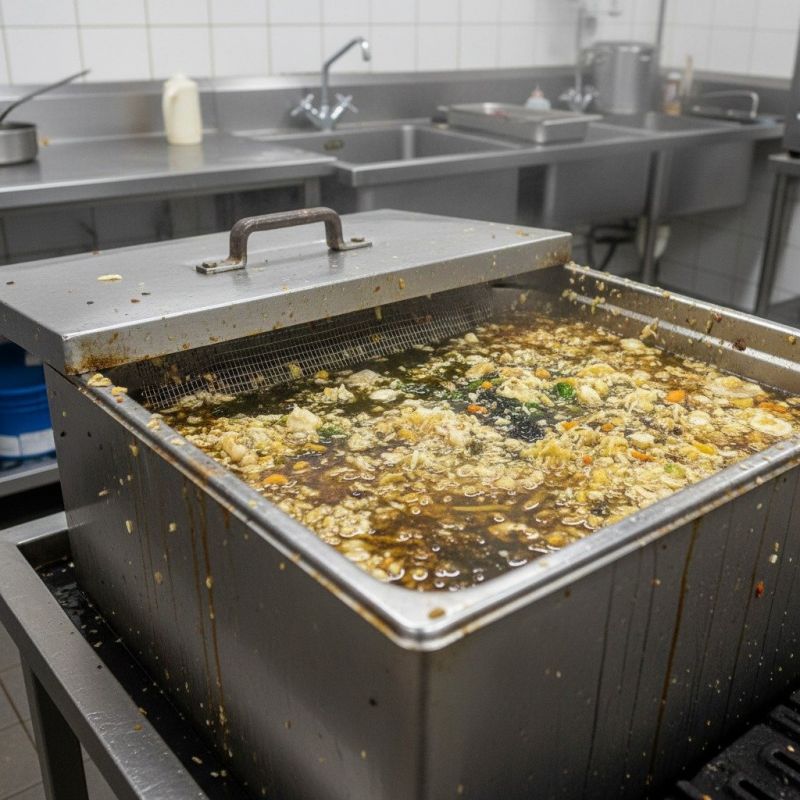
Grease trap installation is a common need for property owners who operate restaurants, cafes, or other food service establishments. When kitchens generate significant amounts of cooking grease and food waste, a properly installed grease trap helps prevent clogs and backups in plumbing systems. Local contractors offer practical solutions to ensure these systems are set up correctly, helping businesses stay compliant with local regulations and maintain smooth operations.
Homeowners and business owners in the area may also seek grease trap installation when upgrading or replacing outdated systems. Properly installed grease traps can prevent unpleasant odors and costly plumbing issues caused by grease buildup. Service providers in the community can assist with selecting the right type of trap and handling the installation process efficiently, making it easier to meet health standards and keep properties running smoothly.
What is involved in grease trap installation? Grease trap installation typically includes selecting the appropriate size, preparing the site, and securely installing the unit according to local codes and standards.
How do local contractors determine the right size of grease trap? They assess the volume of kitchen activity, the type of food service, and local regulations to recommend a suitable grease trap capacity.
Are there different types of grease traps available? Yes, options include passive, automatic, and gravity grease traps, each suited for different commercial or residential needs.
What preparation is needed before grease trap installation? It generally involves clearing the installation area and ensuring proper access for the contractors to work safely and efficiently.
Who should handle grease trap installation services? Local contractors experienced in plumbing and drainage systems are qualified to perform grease trap installation properly.
Grease Trap Installation for Commercial Kitchens - Property owners operating restaurants or food service businesses can ensure proper waste management by working with local contractors who specialize in grease trap installation.
Preventing Plumbing Issues in Food Establishments - Installing a grease trap helps property owners maintain plumbing systems and avoid costly backups caused by grease buildup.
Upgrading Waste Management Systems - Business owners can improve their facility's sanitation and compliance by connecting with local service providers to install or upgrade grease traps.
Supporting Environmental Regulations Compliance - Property owners managing food-related operations can work with local pros to ensure their grease traps meet local code requirements and environmental standards.
If you are thinking about Grease Trap Installation for a property, this guide is meant to help you understand the work, the typical project types, and how different options might fit your plans.
When you are ready, you can use the quote form on this page to share a few details about your project. From there, local pros can review the basics and respond with options that match what you have in mind.