Utility Basin Installation in Denver, CO
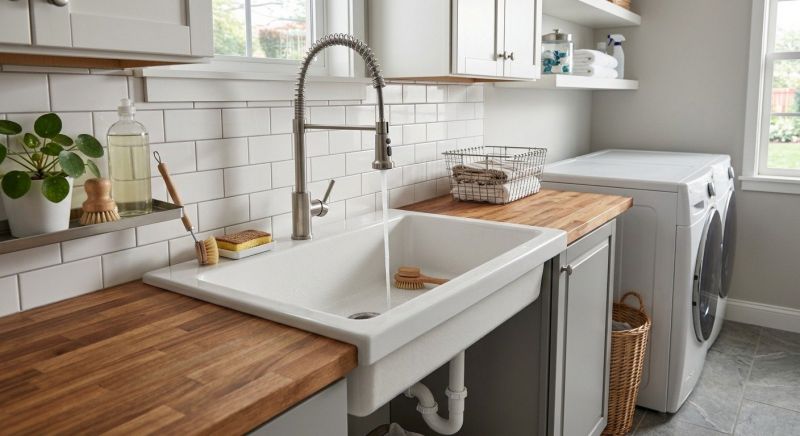
Utility basin installation services involve setting up the essential underground containers that collect and manage wastewater from residential properties. These systems are commonly used for septic tanks, sump pumps, or other drainage solutions necessary for properties not connected to municipal sewer lines. Projects typically include installing new basins for homes undergoing septic system upgrades, managing stormwater runoff, or replacing aging or damaged basins to ensure proper drainage and environmental compliance. Property owners should understand the size and type of basin needed for their specific property, as well as the local regulations that may influence installation requirements.
Before requesting utility basin installation, property owners often want to know about site preparation, including excavation and soil conditions, as well as the materials used for the basin itself. Clarifying the scope of work, such as connecting the basin to existing plumbing or drainage systems, can help ensure the project meets property needs. Additionally, understanding any necessary permits or inspections required by local authorities can help streamline the process and ensure compliance with regional standards.
Many property owners in Denver, CO look into Utility Basin Installation for repairs, replacements, upgrades, and appearance-related improvements.
Utility Basin Installation Basics
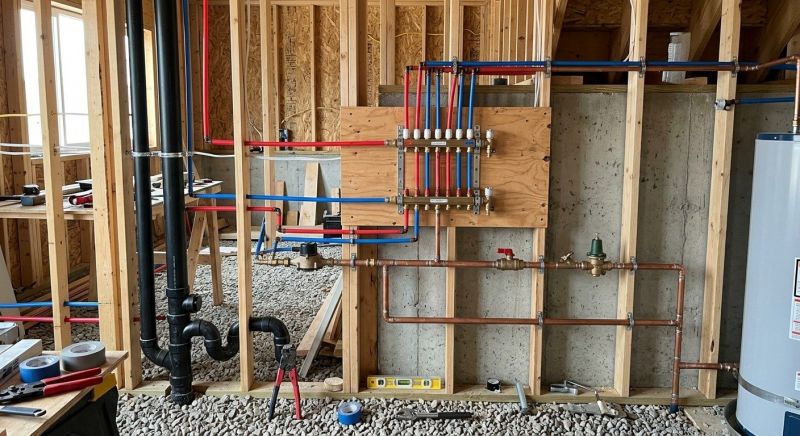
Proper installation ensures reliable water and waste management for residential and commercial properties in denver.
Common Applications And Projects
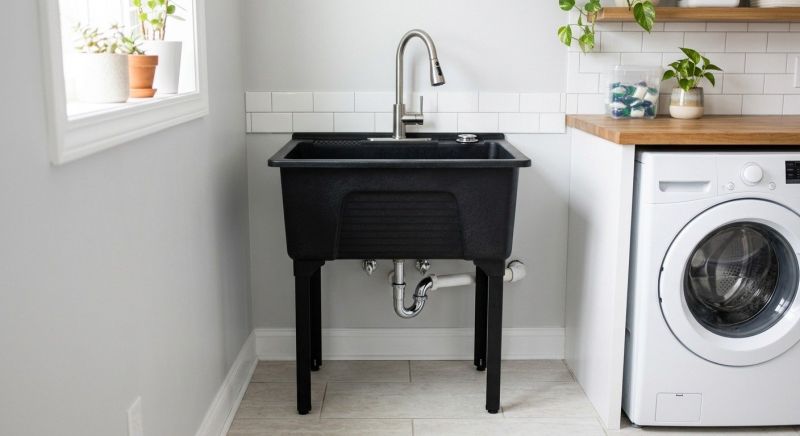
Utility basins are often installed for drainage systems, sump pits, and outdoor water management solutions.
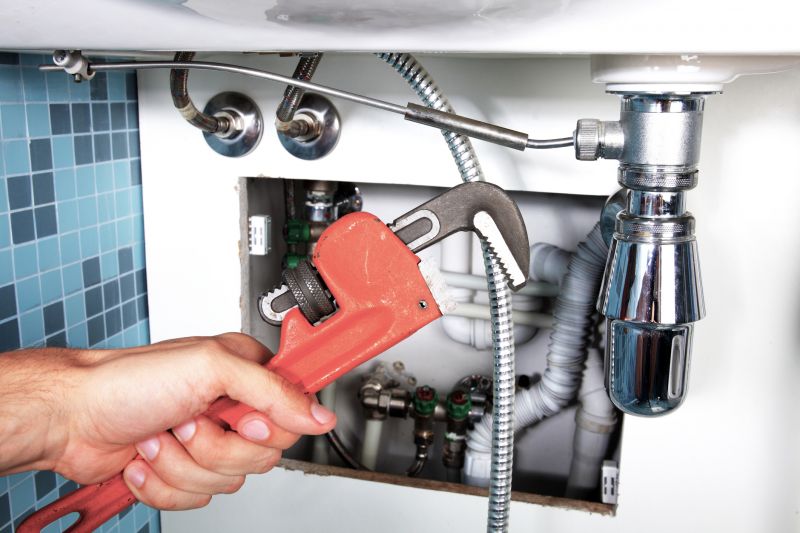
Factors To Consider For Installation
Property owners should evaluate location, material durability, and local codes when planning utility basin setups in denver.
Utility Basin Installation in Denver, CO
Utility basin installation services involve setting up the essential underground containers that collect and manage wastewater from residential properties. These systems are commonly used for septic tanks, sump pumps, or other drainage solutions necessary for properties not connected to municipal sewer lines. Projects typically include installing new basins for homes undergoing septic system upgrades, managing stormwater runoff, or replacing aging or damaged basins to ensure proper drainage and environmental compliance. Property owners should understand the size and type of basin needed for their specific property, as well as the local regulations that may influence installation requirements.
Before requesting utility basin installation, property owners often want to know about site preparation, including excavation and soil conditions, as well as the materials used for the basin itself. Clarifying the scope of work, such as connecting the basin to existing plumbing or drainage systems, can help ensure the project meets property needs. Additionally, understanding any necessary permits or inspections required by local authorities can help streamline the process and ensure compliance with regional standards.
Many property owners in Denver, CO look into Utility Basin Installation for repairs, replacements, upgrades, and appearance-related improvements.
Common Utility Basin Installation Jobs
Utility Basin Installation - Installing basins to manage water flow and prevent flooding around properties.
Stormwater Management - Setting up systems to redirect rainwater away from foundations and landscaping.
Drainage System Setup - Creating effective underground drainage solutions for residential and commercial sites.
Catch Basin Installation - Placing catch basins to collect surface runoff and reduce erosion risks.
Sump Basin Installation - Installing sump basins to protect basements from groundwater intrusion.
Water Management Planning - Designing basin systems tailored to property drainage needs and landscape features.
Utility Basin Installation Questions
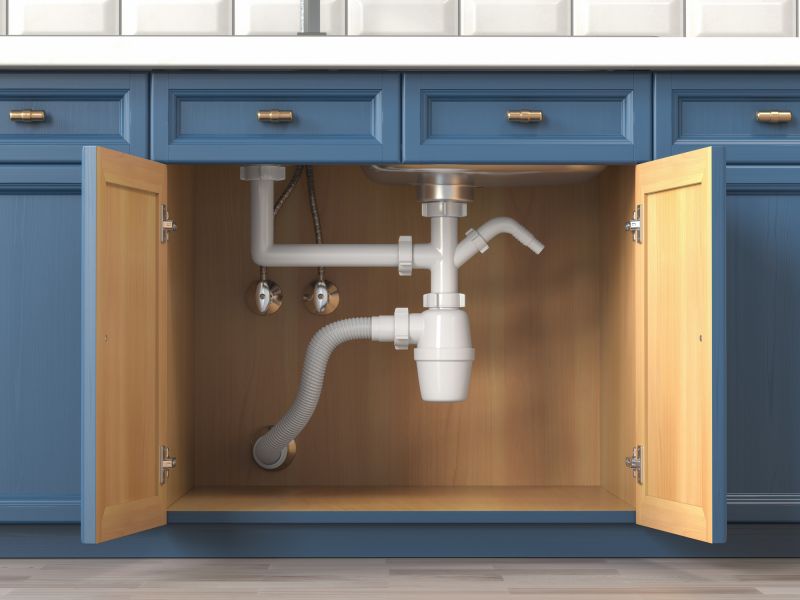
What is a utility basin installation? It involves setting up a dedicated area or container to manage utility connections like water, sewer, or drainage systems on a property.
Why might a property owner need a utility basin? To organize and protect utility lines, prevent flooding, and ensure proper drainage for residential or commercial projects.
What types of properties benefit from utility basin installation? Both residential homes and commercial properties that require effective utility management and drainage solutions.
What should be considered before installation? The location, size requirements, and purpose of the basin to ensure it meets the property's utility needs.
Request Utility Basin Installation in Denver, CO
Use the quote form on this page to share the basics of your project and request more information for the type of work you need.